Brazilian Jiu-Jitsu gives you a workout you can feel and a skill set you can trust, all in the same hour.
Orlando has no shortage of ways to get active, but most fitness routines miss one crucial ingredient: practical skill. We see it all the time, people want to feel stronger, move better, and protect themselves with something real, not just theory. Brazilian Jiu-Jitsu fits that need in a way that surprises many beginners.
What makes Brazilian Jiu-Jitsu different is how quickly it becomes personal. Your progress shows up in everyday life: better posture, calmer breathing under stress, more confidence in your body, and a clearer sense of what to do if someone closes the distance. And because Orlando life is busy, our goal is to make training doable, sustainable, and genuinely useful for you and your family.
Below, we break down how this training reshapes fitness and self-defense in a way that works for Central Florida schedules, bodies, and real-world needs.
Why Brazilian Jiu-Jitsu works for real-world self-defense in Orlando
Self-defense is not about collecting flashy moves. It is about understanding distance, balance, timing, and how to stay safe when things get close fast. Brazilian Jiu-Jitsu is built around control and leverage, which matters in the situations most people actually worry about: grabs, clinches, trips, and ending up on the ground.
We teach you to solve problems in layers. First, you learn how to stay balanced and hard to move. Then you learn how to escape bad positions, stand back up, and regain control. Over time, you learn how to hold a stronger position without relying on size or brute strength.
A practical self-defense focus also means we keep things honest. We want you to understand what is high-percentage, what is risky, and how awareness and decision-making fit into safety. Training should make you calmer and more capable, not reckless.
Fitness that does not feel like a treadmill: the conditioning side of BJJ
A lot of people come to us wanting to get in shape, but not everyone wants another bootcamp. Brazilian Jiu-Jitsu gives you full-body conditioning with a purpose, and it tends to stick because it is mentally engaging. You are learning, moving, reacting, and building skill while your heart rate climbs.
The fitness benefits show up in a few clear ways. Grappling builds pulling strength, hip mobility, core stability, and grip endurance. Your neck and upper back get stronger from posture and frames. Your legs get stronger from base, balance, and getting up off the floor repeatedly, which is sneaky-hard in the best way.
And yes, you will sweat. But it is not random suffering. It is effort tied to improvement, which makes it easier to stay consistent week after week.
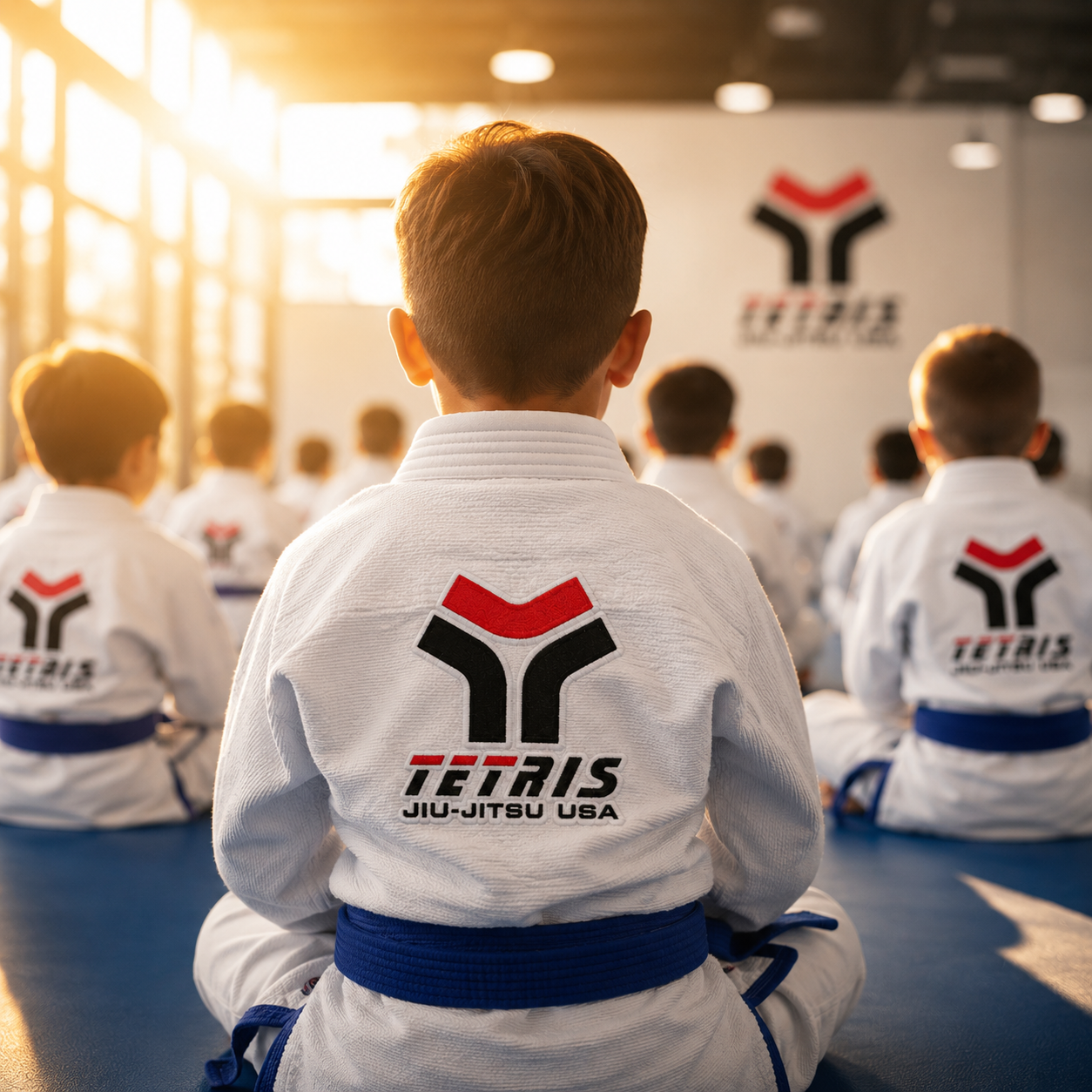
Young Brazilian Jiu-Jitsu: confidence, coordination, and calmer choices
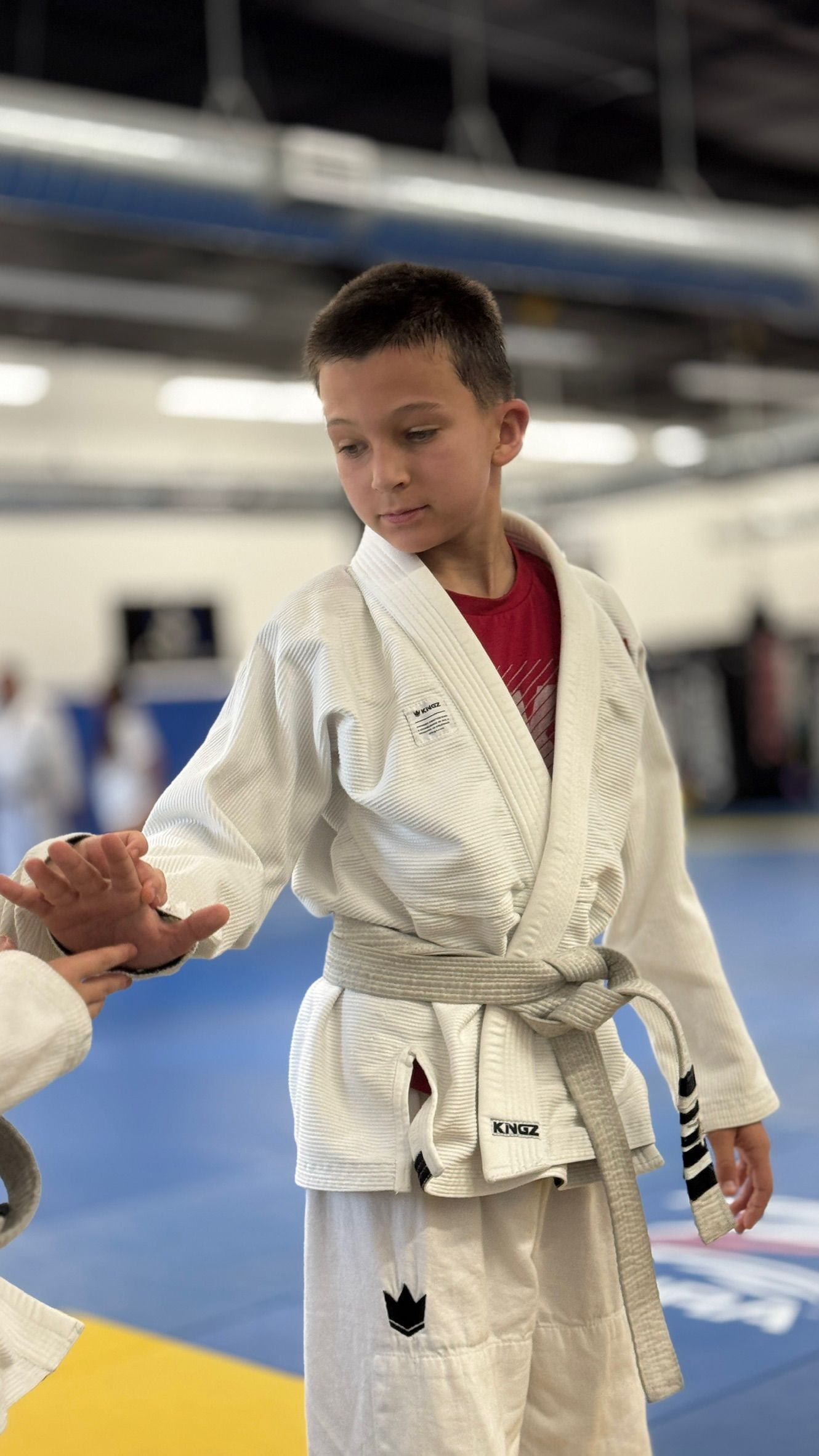
Young Brazilian Jiu-Jitsu is not just about kids learning to “fight.” Our youth training is about coordination, discipline, listening skills, and learning how to handle pressure in a controlled environment. When kids practice movement patterns like shrimping, bridging, technical stand-ups, and balance drills, they build body awareness that helps in sports and everyday life.
We also keep the structure clear. Kids do best when expectations are consistent and progress is visible. Classes are designed so students know what to do when they walk in, how to practice safely with partners, and how to stay focused even when they are excited.
Parents often tell us the biggest change is confidence, but not the loud kind. It is the steady kind: better eye contact, clearer boundaries, and a willingness to try hard things without melting down. That carries over to school, friendships, and sports, and it is one of the reasons families stay with training long-term.
Adult Brazilian Jiu-Jitsu in Orlando FL: a realistic path for beginners
If you are starting as an adult, you do not need to be “in shape first.” That idea keeps people stuck. Adult Brazilian Jiu-Jitsu in Orlando FL should be approachable, progressive, and safe, especially when you are learning how to move on the ground.
Our beginner pathway prioritizes fundamentals: posture, base, frames, escapes, and positional control. You learn how to protect yourself, how to breathe, and how to avoid panic when you are under pressure. That last part sounds small, but it is huge.
We also respect the fact that adults have real schedules. Work deadlines, school pickup, travel, and the general chaos of Orlando traffic are all normal. Consistency matters more than intensity, so we help you build a routine that you can actually maintain.
Gi vs No-Gi: what you should know before your first class
One common question is whether you should train in the Gi, No-Gi, or both. The short version is that both formats teach Brazilian Jiu-Jitsu, but the grip and pace can feel different.
In Gi training, you wear a traditional uniform and can grab sleeves, collars, and pant legs. That slows things down a bit and makes control more technical in certain positions. It also teaches you to be precise with posture and grips.
In No-Gi training, you wear athletic gear and do not have fabric grips, so movement can be faster and scramble-heavy. It can feel more like wrestling in terms of pace, while still using Jiu-Jitsu positional ideas.
If your goals include self-defense, we like you to understand both. In real life, people wear clothing, but situations are unpredictable. Learning to adapt is part of becoming effective.
What your first Brazilian Jiu-Jitsu class is like
Walking into a new gym can feel awkward, and we do not pretend otherwise. The good news is your first class is not a test. It is an introduction, and our job is to guide you through it with clear coaching.
In a typical first session, we show you basic safety and etiquette, then teach a small set of movements that show up everywhere in Brazilian Jiu-Jitsu. You will drill with a partner at a controlled pace, and you will get plenty of coaching along the way.
Here is what most beginners notice right away:
- The room feels focused, but not hostile, and people are there to learn
- Technique matters more than strength, even if you are strong
- Small details like hip angle and hand placement change everything
- You can work hard without getting “wrecked” if you pace yourself
- The mental side is real, because you are solving problems while tired
If you are nervous, that is normal. We would rather you show up nervous and leave informed than overthink it for months.
How often should you train to see results?
Training frequency depends on your goals, recovery, and schedule. For most adults, two to three classes per week is a sweet spot for steady progress in fitness and skill without feeling like Jiu-Jitsu is taking over your life.
For kids, one to two times per week often works well at the start, especially with school and homework. As confidence grows, adding a day can help build momentum.
If your goal is faster improvement, three to five sessions per week can be great, as long as you recover well and listen to your body. We like to build volume gradually. Getting injured from doing too much too soon is a frustrating way to learn patience.
What we focus on in our programs and class structure
A good program is not just a collection of techniques. It is a progression that helps you retain skills under pressure, not only in calm drilling. We structure training so you learn the fundamentals, pressure-test them safely, and keep building layers over time.
Our classes typically include warm-ups that reinforce movement, technical instruction that is clear and repeatable, and partner drilling where you get real reps. Live training is introduced in a controlled way, with rules and guidance that fit your experience level.
We also keep the environment welcoming for families. It matters that you can train, improve, and feel supported, whether you are a brand-new adult, a parent training around work hours, or a young student learning confidence one step at a time.
Getting more out of training: small habits that make a big difference
You do not need to be perfect to progress, but a few habits make training feel better quickly. Hydrate before class, and bring water even if you think you will forget to drink it. Trim your nails, because it sounds picky until someone gets scratched. Show up a little early so you are not rushing, especially if Orlando roads are doing Orlando things.
Most importantly, give yourself permission to be new. Brazilian Jiu-Jitsu has a learning curve, and that is part of why it is effective. If it were easy, it would not change you.
A simple approach we recommend:
1. Pick a weekly schedule you can keep for eight weeks
2. Focus on one position at a time, like side control escape or guard retention
3. Ask one question after class, then drill that answer next time
4. Track wins like “I escaped once” or “I stayed calm,” not just submissions
5. Recover well with sleep and light movement on off-days
Those steps sound basic, but they add up. Consistency beats intensity almost every time.
Take the Next Step
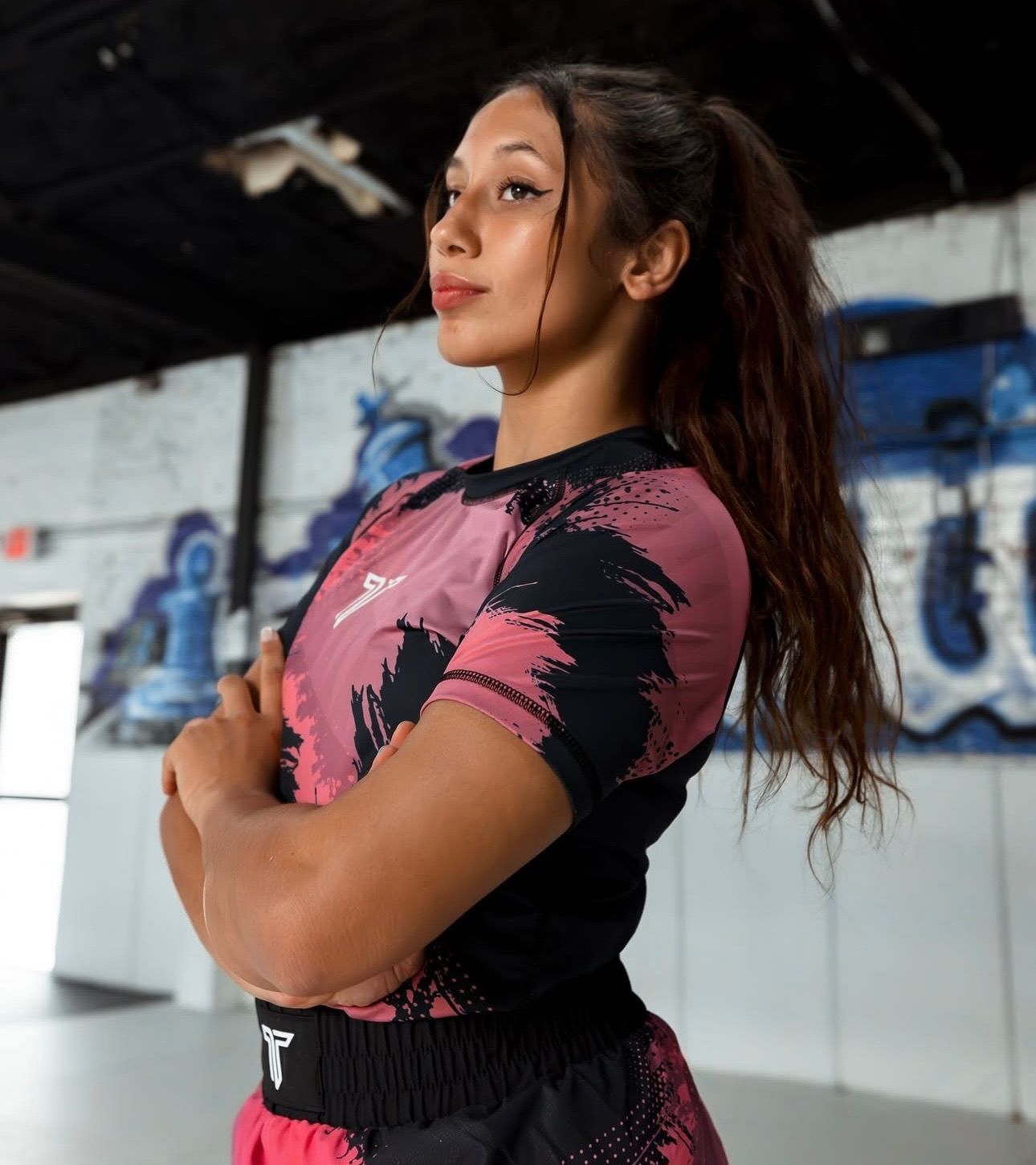
If you want fitness that feels purposeful and self-defense that stays grounded in reality, we built our training to deliver both. At Tetris Jiu-Jitsu, we guide you through Brazilian Jiu-Jitsu with a clear structure, supportive coaching, and programs that work for busy Orlando families and adults.
Whether your priority is Young Brazilian Jiu-Jitsu for your child, or Adult Brazilian Jiu-Jitsu in Orlando FL for your own fitness and confidence, we are ready to help you start with a plan that makes sense and a pace you can sustain at
Tetris Jiu-Jitsu.
Push your limits and
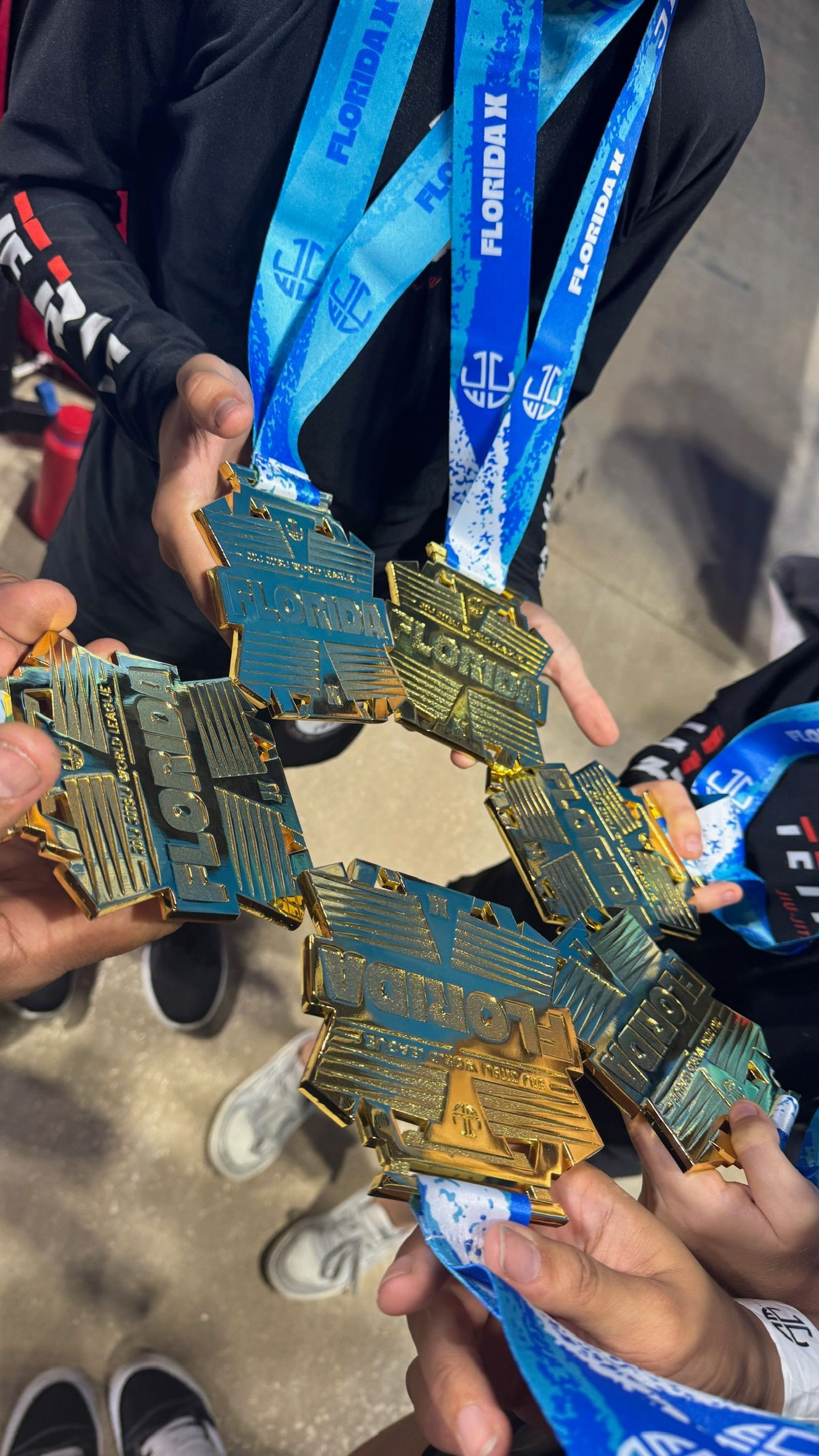
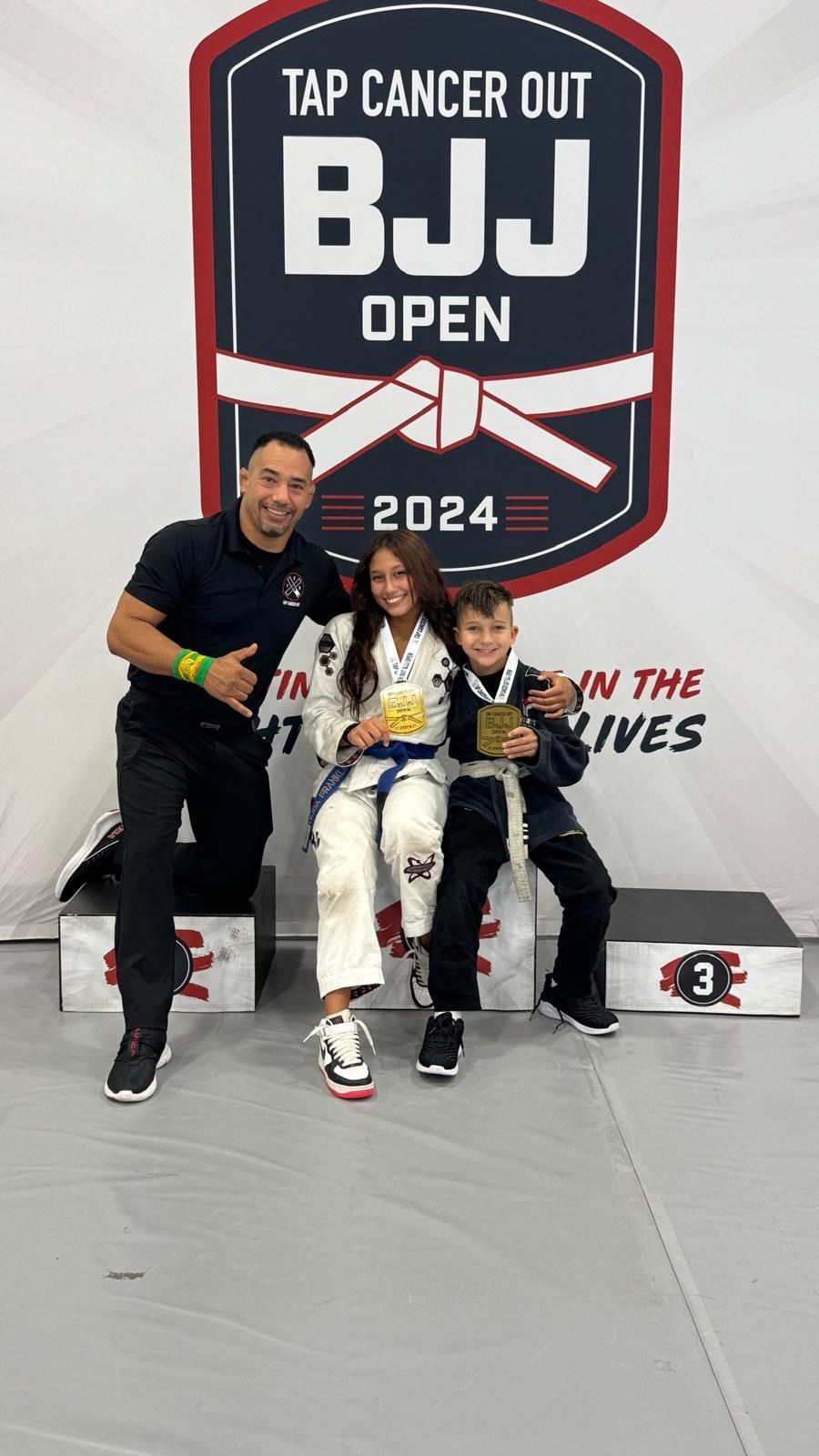
develop a competitive game at Tetris Jiu-Jitsu.