Your first class should feel structured, welcoming, and surprisingly doable, even if you have never trained before.
Walking into your first Brazilian Jiu-Jitsu class can feel like stepping into a new world, but it does not have to feel intimidating. Our job is to make the experience clear, safe, and beginner-friendly from the moment you arrive. If you are in Orlando and you are curious about training, we want you to know what actually happens in a first class, what you should bring, and what you can comfortably ignore on day one.
Brazilian Jiu-Jitsu is often described as a problem-solving martial art, and that starts right away. You will learn how to move on the ground, how to keep yourself safe in common positions, and how to work with a partner without relying on strength or athleticism. Most new students are surprised by how technical it feels and how quickly the nerves settle once class begins.
In this guide, we will walk you through the flow of a typical first class, explain gi vs No-Gi in plain language, cover etiquette and hygiene, and lay out what progress usually looks like in the first month. You will leave with a real plan, not just vague encouragement.
Before You Arrive: What to Bring and How to Prepare
For most first-timers, the biggest stress is not the workout, it is the uncertainty. Planning a few simple details ahead of time makes your first Brazilian Jiu-Jitsu experience smoother and more enjoyable.
Here is what we recommend you bring:
- A water bottle you can keep near the mat, because you will sweat more than you expect
- Clean athletic clothes, or a gi if your class requires it, so you can train comfortably and safely
- Flip-flops or sandals for walking off the mat, since we keep the mat area clean
- A small towel and a spare shirt, especially if you are coming from work or training during a humid Orlando day
- Trimmed nails and no jewelry, because safety and hygiene matter in close-contact training
Try to arrive 10 to 15 minutes early. That gives you time to meet our coach, get oriented, and ask the quick questions everyone has but no one wants to ask while class is starting. It also helps you settle in, which matters more than people realize.
Checking In: What Your First Few Minutes Look Like
When you come in, we will help you get signed in, show you where to put your things, and point out the basics like restrooms and where to fill your water bottle. If you are brand-new, we will also ask about any injuries, past training, and what you are hoping to get out of Brazilian Jiu-Jitsu. That is not small talk. It helps us coach you properly and pair you with the right training partners.
You do not need to memorize names, rules, or fancy terminology to start. If you can listen, move carefully, and communicate when something feels uncomfortable, you are ready. We will take it from there.
The Typical Class Structure: Warm-Up, Technique, Drills, and Sometimes Rolling
Most Brazilian Jiu-Jitsu classes follow a consistent format because it works. Structure reduces confusion and keeps training safe, especially for beginners.
Warm-up: Building movement skills, not just sweating
Warm-ups often include movements that look a little unusual at first, like shrimping, bridging, and technical stand-ups. These are not random. They teach you how to move your hips, protect space, and get up safely, which is a huge part of defending yourself and escaping bad positions.
If you are not in perfect shape, you will be fine. We can scale intensity up or down, and we would rather you move with control than try to win the warm-up.
Technique demonstration: One focus, taught in steps
After warm-up, our coach demonstrates a technique or a short sequence. In a beginner-friendly class, you can expect fundamentals like:
- How to maintain a stable base
- How to escape from bottom positions
- How to control distance and posture
- How to apply a basic submission safely
You will see the technique more than once, from different angles, with key details highlighted. You do not have to catch everything immediately. Brazilian Jiu-Jitsu rewards repetition, and your understanding deepens each time you revisit the same idea.
Partner drills: Where learning actually sticks
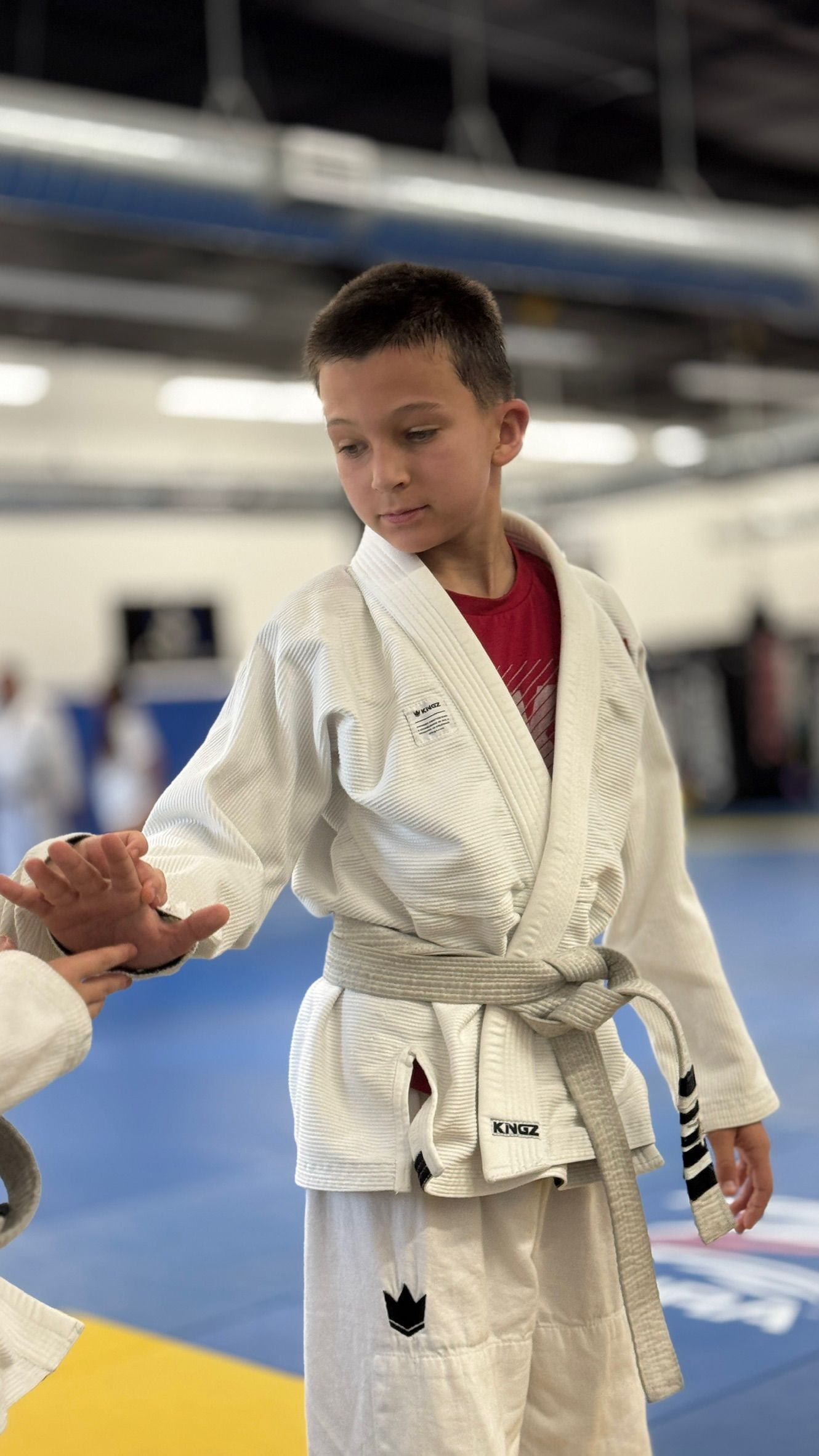
Next, you will drill with a partner. Drilling is controlled practice, not sparring. Your partner is there to help you learn, and you are there to help your partner learn. We keep beginners with partners who can make the training feel calm and productive, not chaotic.
Expect to ask questions like, where does my knee go, what do I do with my hands, and why does this feel different when I try it. That is normal. That is learning.
Rolling: Optional, controlled, and guided
Some classes include live sparring, commonly called rolling. Rolling is where you try techniques against real resistance, but in a controlled way and with clear rules. If you are brand-new, we do not expect you to jump into intense rounds on day one. We will guide you based on comfort level, safety, and readiness.
If you do roll, your goal is not to win. Your goal is to stay calm, breathe, and learn what positions feel like with movement. Many first-time students discover that the hardest part is simply relaxing and remembering to exhale.
Gi vs No-Gi for Beginners: What Is the Difference?
A common Orlando question is whether you should start with gi or No-Gi. Both are Brazilian Jiu-Jitsu. The difference is mainly what you wear and how you grip.
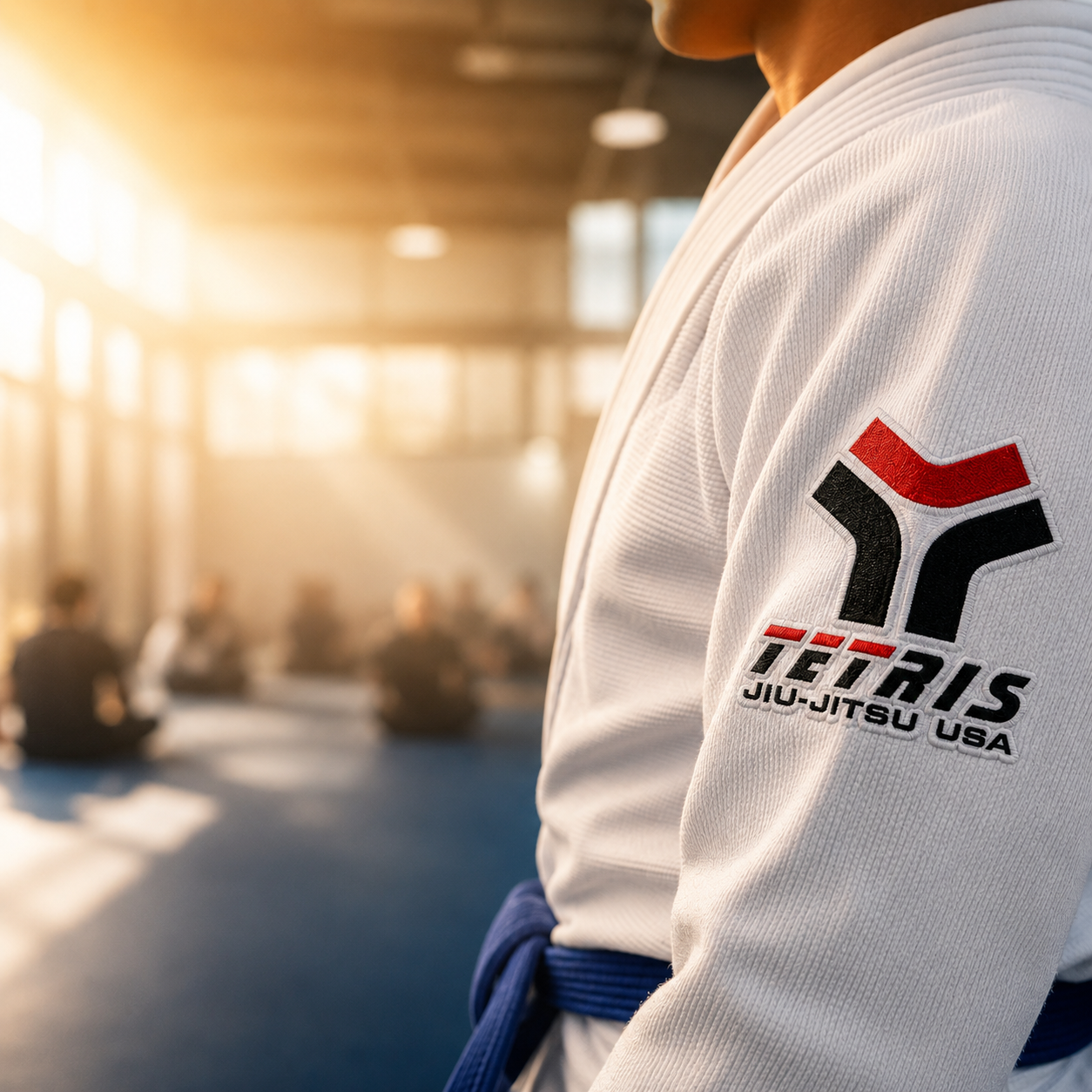
In gi classes, you wear a gi and you can grip sleeves, collars, and pant legs. This often slows things down a bit and makes it easier to feel structure and control.
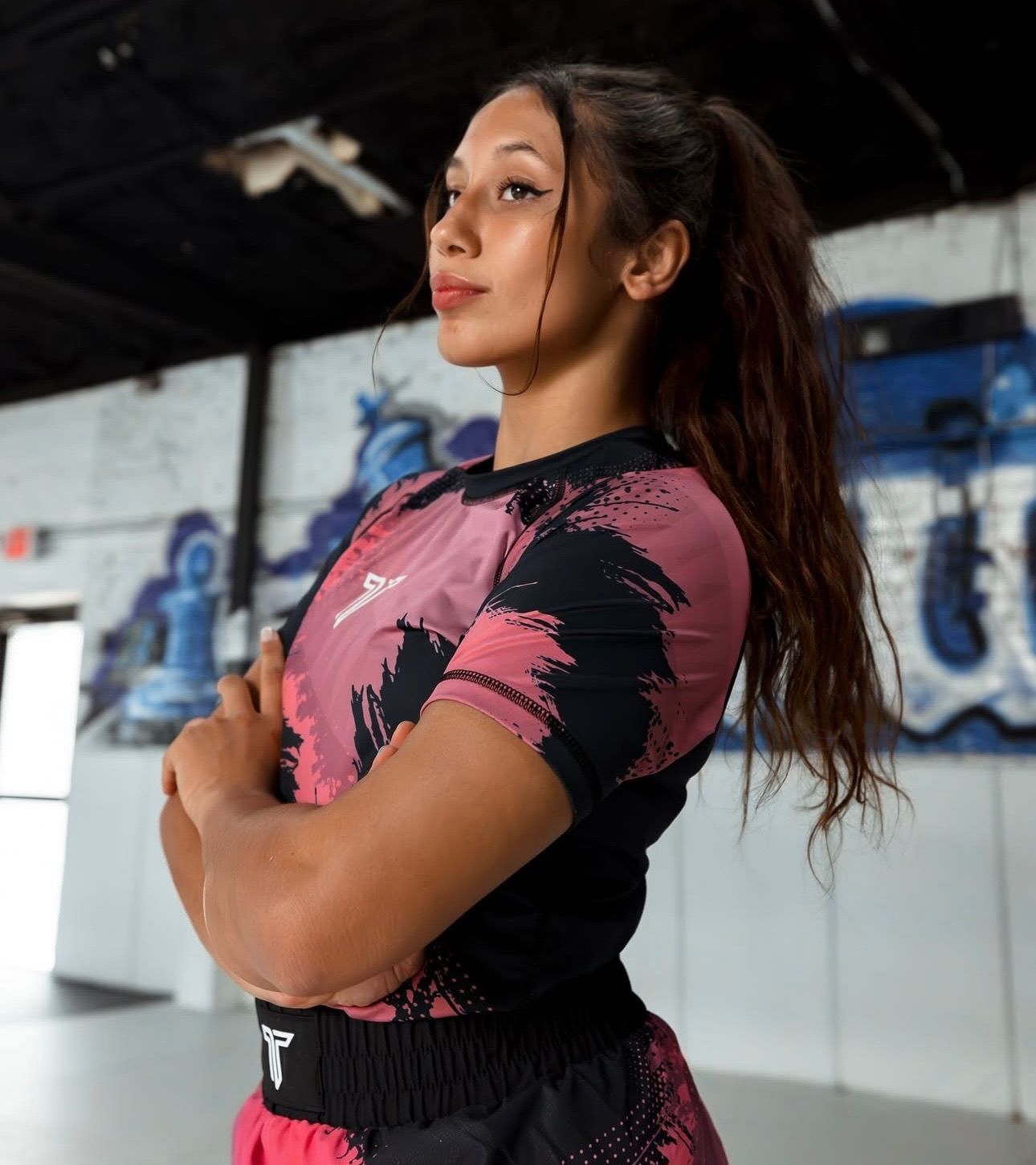
In No-Gi, you wear fitted athletic gear like a rash guard and grappling shorts or leggings. Without cloth grips, movement can feel faster and more dynamic, and you will rely more on body positioning, underhooks, and head and hand placement. No-Gi fundamentals still cover takedowns, position control, escapes, and submissions, just with a slightly different pace.
If you are unsure where to start, we will help you choose a class that matches your comfort level and goals. The best starting point is the one you will attend consistently.
Etiquette and Hygiene: The Small Things That Keep Training Great
Brazilian Jiu-Jitsu is close-contact training, so etiquette is not about being formal. It is about keeping everyone safe and keeping the room respectful.
We ask you to:
- Wear clean training gear every session and wash it right after class
- Keep nails trimmed to avoid accidental scratches
- Remove rings, necklaces, and bracelets before stepping on the mat
- Use sandals off the mat and stay barefoot on the mat
- Tell your partner if you are new or if you have an injury we should accommodate
If something hurts in a sharp or wrong way, tap. Tapping is part of training, not a failure. We also encourage you to communicate. A quick, can we go a little lighter is completely normal, especially early on.
What You Will Learn in Your First Few Classes
Your first class is about orientation, but you will still learn real skills. In early Brazilian Jiu-Jitsu training, we focus on helping you feel less lost each time you show up. That means building a base of positions and escapes before you worry about fancy moves.
In your first few sessions, you can expect to work on:
- How to frame and create space when someone is close
- How to escape common pins like mount or side control
- How to understand guard as a position, not just a scramble
- How to move safely on the ground without burning out
You will also start learning the language of the art. Words like guard, pass, mount, and back control will stop sounding like a foreign language and start feeling like a map.
Common First-Class Worries, Answered Honestly
Most new students share a few concerns, even if nobody says them out loud.
Do I need to get in shape first?
No. Training is how you get in shape for training. We see all fitness levels, and we adjust the pace so you can build capacity without feeling crushed. Consistency matters far more than intensity, especially at the start.
Will I be the only beginner?
No, and even when you are new, you will not feel alone. We build our classes so beginners can train safely alongside more experienced students. You will be coached, not thrown into the deep end.
Will I have to spar?
Not unless it makes sense for you. Rolling can be part of class, but we do not measure your first day by how tough you are. We measure it by whether you learned something and left feeling like you could come back.
What if I cannot remember anything?
That is expected. Brazilian Jiu-Jitsu is layered. The first win is showing up, moving, and learning one detail you did not know yesterday.
Young Brazilian Jiu-Jitsu and Adult Training: What to Expect by Age Group
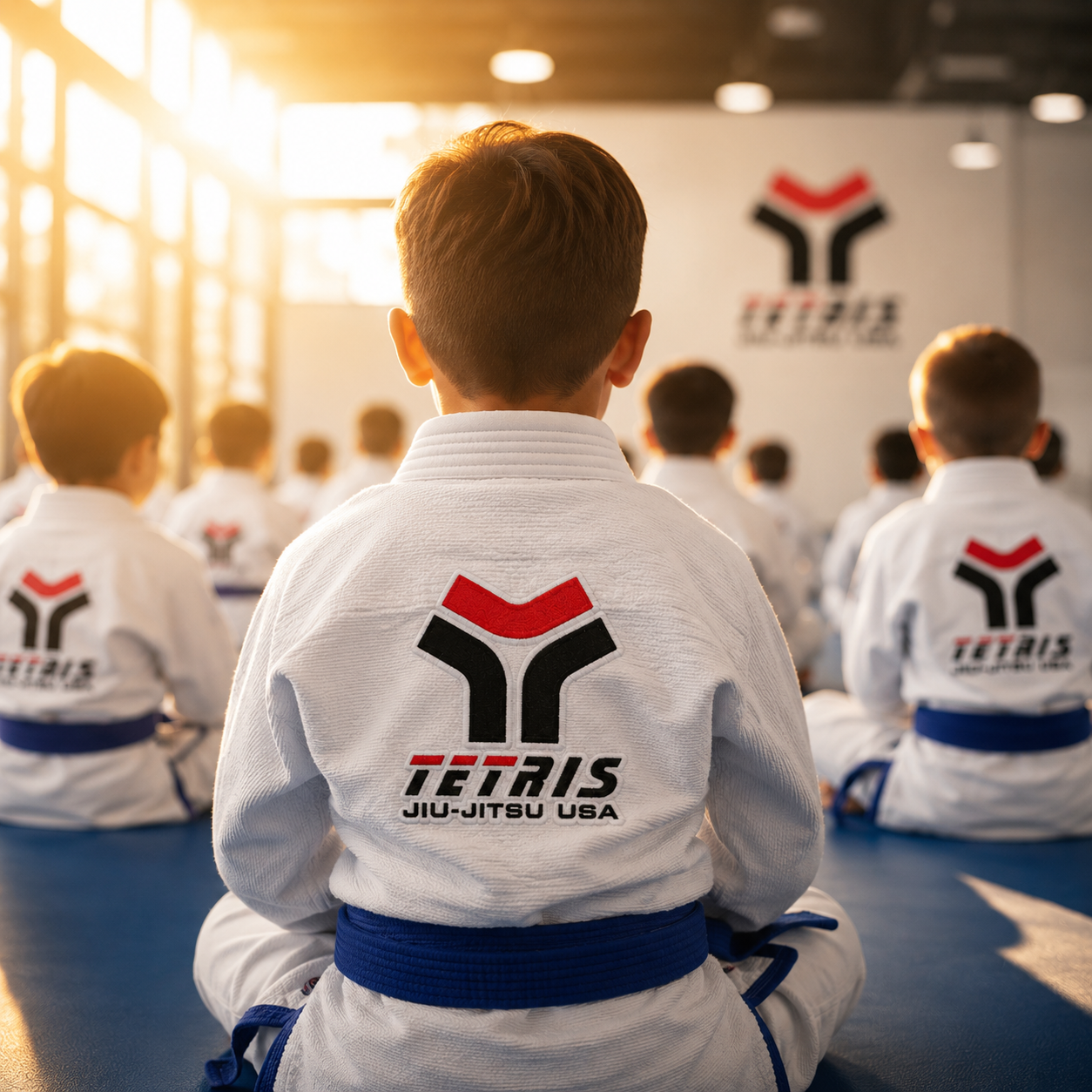
Many Orlando families want a place where training fits different ages, and we plan our coaching accordingly. Young Brazilian Jiu-Jitsu training should feel structured, energetic, and safe, with clear boundaries and plenty of positive repetition. For younger students, we emphasize movement skills, coordination, confidence, and learning to work with partners respectfully.
For adults, training often has a different feel. Adult Brazilian Jiu-Jitsu in Orlando FL needs to fit real life: work schedules, stress, and sometimes old injuries that complain a little during warm-ups. We coach with that in mind. You can train hard, but you can also train smart.
No matter your age, we care about a steady progression that keeps you healthy. Getting better is great. Getting better while staying able to train next week is the real goal.
Your First 30 Days: A Simple Progress Roadmap
A lot of people do one class, feel sore, and then disappear. We would rather you have a realistic plan that keeps you progressing without burning out. For many beginners, 2 to 3 classes per week is the sweet spot. It is enough repetition to improve, but not so much that your body feels wrecked.
Here is what typically changes in the first month:
1. Week 1: You learn the class flow, basic positions, and how to move without panicking
2. Week 2: You start recognizing problems earlier, like when your posture is breaking or your elbows are out
3. Week 3: You begin linking steps together, even if it feels slow and a little clumsy
4. Week 4: You notice small wins, like escaping a position you used to get stuck in every time
You will still feel like a beginner, because you are. But you will feel like a beginner with direction, and that is when training gets addictive in a good way.
Ready to Begin at Tetris Jiu-Jitsu
Starting Brazilian Jiu-Jitsu is easier when you know the rhythm of a class and what success looks like in the beginning. We keep training structured, we coach beginners with patience, and we make sure you have a path whether your goal is fitness, self-defense, stress relief, or simply learning a new skill.
If you are ready to try a class in Orlando, we would love to help you take that first step at
Tetris Jiu-Jitsu. Come in, learn the basics, and leave with a clearer sense of what you can build with consistent training.
New to Jiu-Jitsu? Start your journey with a
beginner-friendly class at Tetris Jiu-Jitsu.